
Nitecore NWE10 Electronic Whistle Review
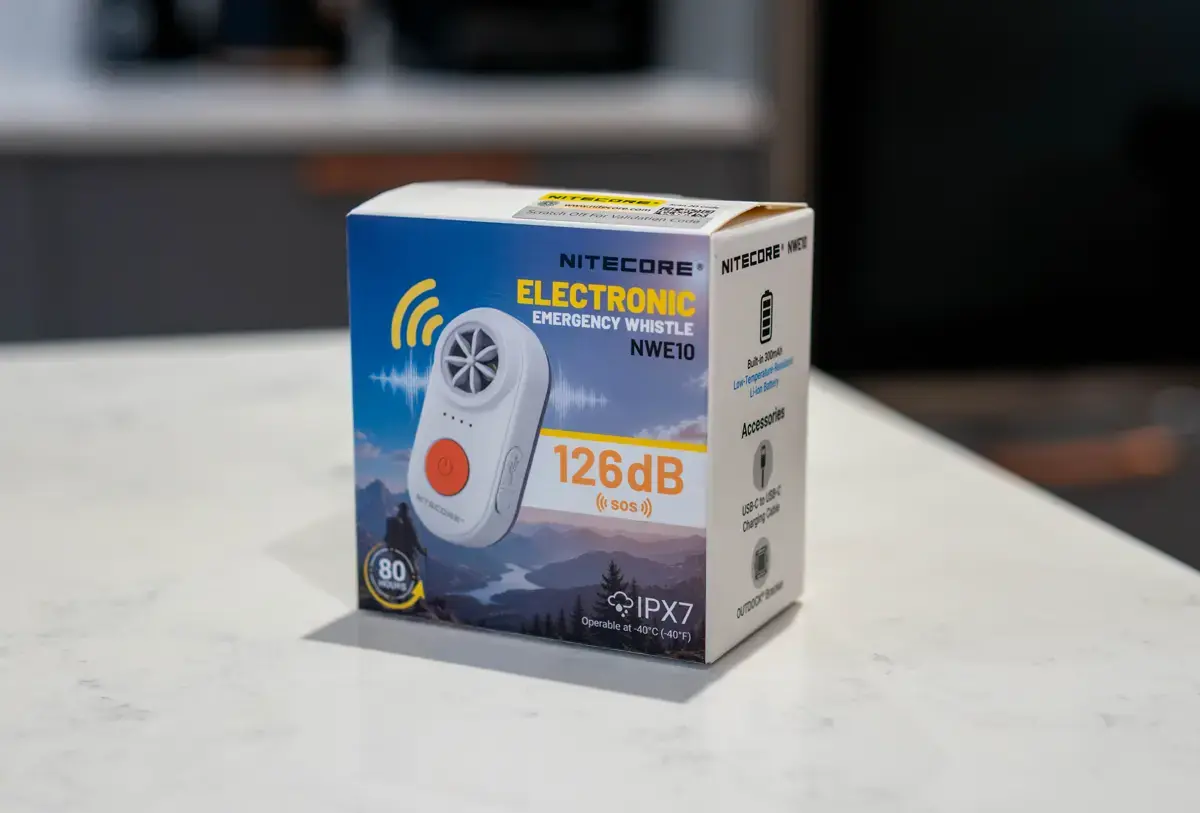
Nitecore NWE10 Electronic Outdoor Whistle Review – Essential Kit or Unnecessary Weight?
The team here at GB Ultra Runner recently received a pre-release sample of the Nitecore NWE10 Electronic Outdoor Whistle to test out on the trails.
If you’ve run even a single organised ultramarathon in the UK, you’ll know that a safety whistle is a staple on almost every mandatory kit list. But with virtually every running vest on the market already featuring a built-in pealess whistle, it’s fair to ask, do trail runners actually need an electronic alternative?
We've been testing the NWE10 out to see where it fits into a runner’s kit setup, where it shines and whether it’s worth carrying.
Nitecore NWE10 Whistle Specs
- Sound Output: Up to 126 dB (at a frequency of 3,300 Hz)
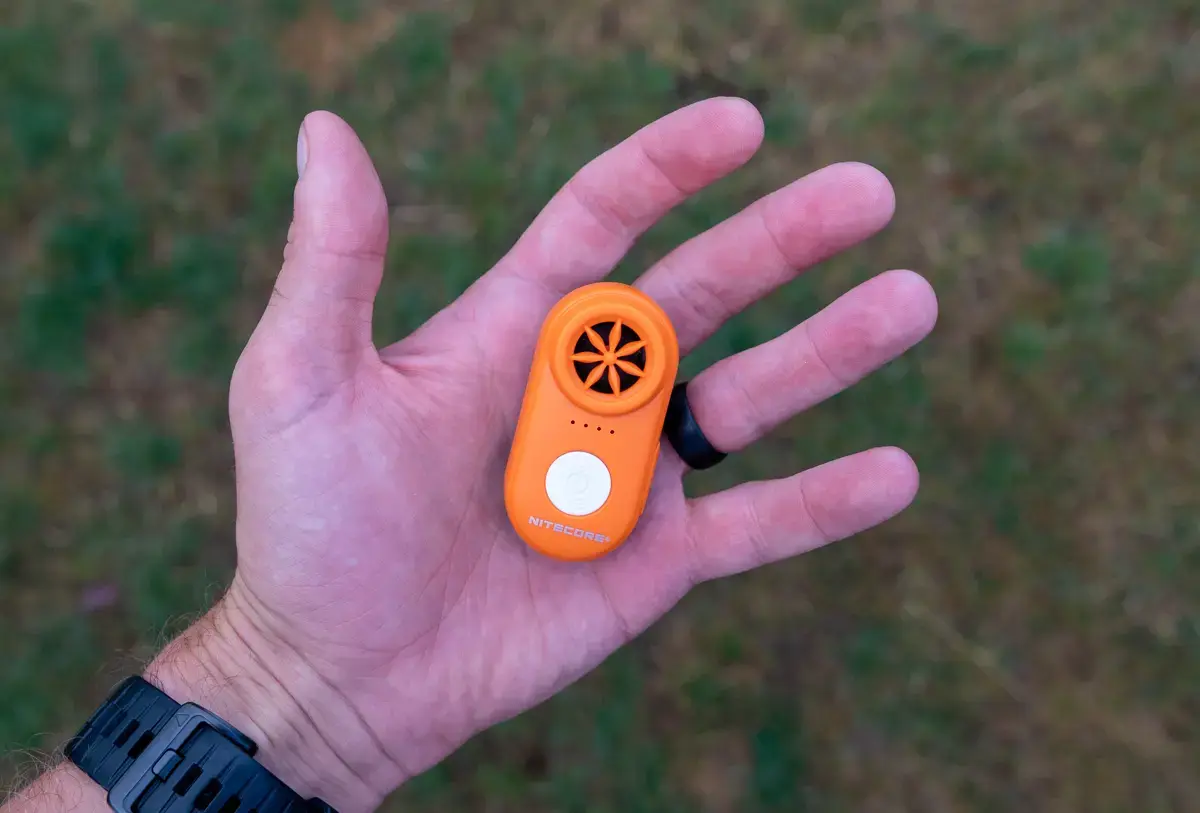
- Weight: 38g
- Dimensions: 33mm x 65mm x 32mm
- Battery: 300mAh built-in rechargeable Li-ion battery (USB-C)
- Runtime: Up to 80 hours in SOS or Beacon modes
- Weather Resistance: IPX7 waterproof rating (1m impact resistant)
- Modes: SOS auto-repeating distress signal & Beacon mode
- Low-Temp Operation: Functions down to -40°C
- RRP: £17.95
First Impressions, Build Quality & Ergonomics
At 38g, the NWE10 adds minimal bulk to your rig. It’s made from a tough, high-hardness plastic that feels durable enough to handle the inevitable drops.
Clipping it directly to the shoulder strap of a hydration vest proved straightforward. The included bracket keeps it secure, so there’s no annoying bouncing around while moving at pace.
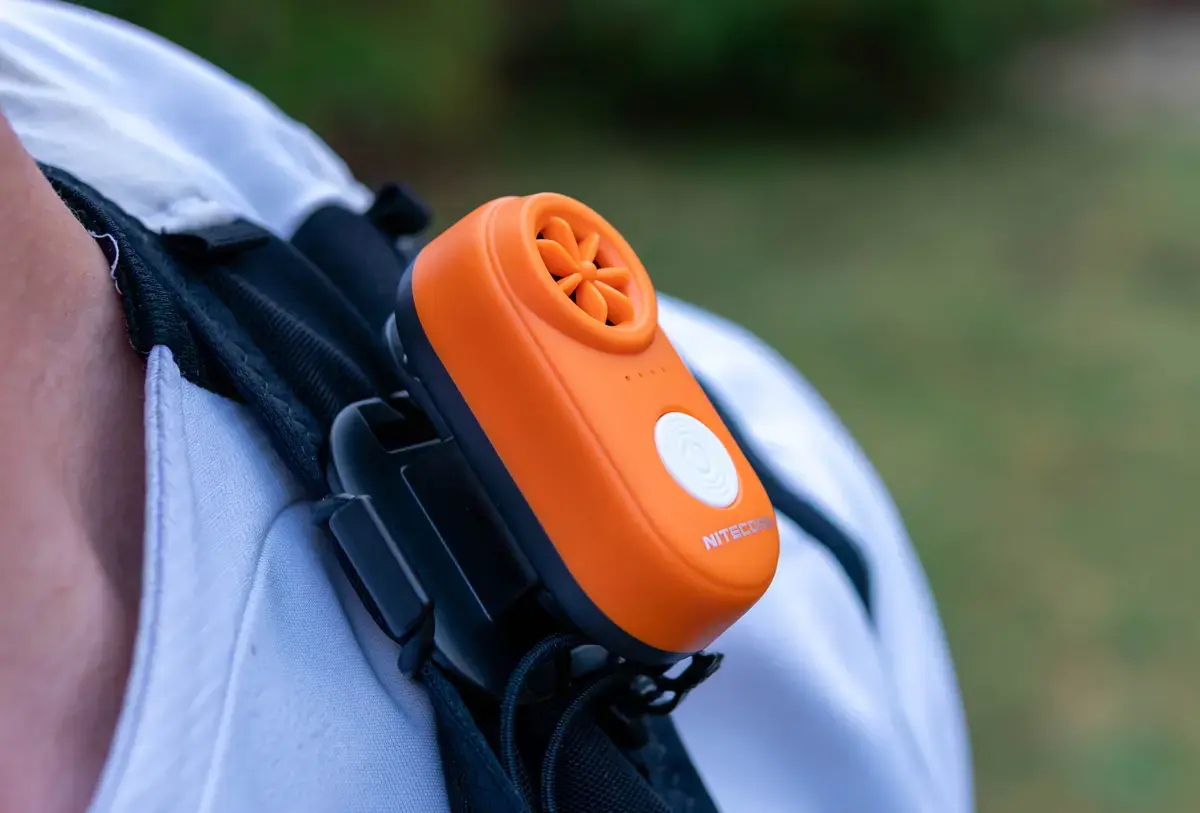
Operation couldn't be simpler. It features a single, oversized button that stands out in high contrast against the body of the unit. This high-vis contrast is a subtle but vital design choice: if you're cold, wet, fatigued, or working with clumsy gloved hands in terrible weather, you can find and press the switch without needing to fiddle.
Charging is handled via USB-C, which is a welcome standard. It means one less obscure cable to pack when heading off for a weekend in the hills.
Do You Need An Electric Whistle For Ultramarathon Races?
To be blunt: probably not.
For the majority of UK races, the basic plastic whistle integrated into your running vest will easily pass kit check and satisfy race directors. Furthermore, most modern UK ultras issue live GPS trackers. If you run into trouble during an event, race headquarters will usually spot a stalled tracker fairly quickly.
Even if a tracker fails, race marshals will know the last checkpoint you passed through. While checkpoint gaps can sometimes stretch up to 15 or 20 miles depending on the race, you still benefit from an underlying safety network, sweepers on the course and fellow competitors passing by at regular intervals.
If you only ever run organised events, the NWE10 is likely surplus to requirements.
Where the NWE10 Becomes Invaluable: Solo & Unsupported Training
Where this device truly makes sense is outside of organised racing.
When you’re out on a 30 mile solo training run in the Lakes, the Brecon Beacons or deep in the Scottish Highlands, there is no race team actively monitoring your position. When you've been running ultras comfortably for years, it’s easy to become a little complacent, but severe weather changes, twisted ankles or sudden falls in isolated areas happen to even the best trail runners.
If you take a fall and end up off-track in deep heather, a gully or thick mist, Mountain Rescue might know your general area, but pinpointing your exact location can be extremely difficult.
This is where the NWE10 holds a significant advantage over a traditional mouth-blown whistle:
- Physical Exhaustion and Injury: If you’re suffering from severe hypothermia, shock, a broken bone, or loss of consciousness, you simply won't have the lung capacity or stamina to blow a manual whistle continuously for hours.
- Automated Signaling: With the NWE10, a single press activates an automatic, repeating 126 dB SOS signal that will keep blaring for up to 80 hours. You can activate it and focus purely on staying warm and calm while the device continuously signals for help.
- Penetrating Sound: At 126 dB and 3,300 Hz, the pitch is engineered specifically to cut through wind, rain and ambient mountain noise much further than a standard human-blown whistle.
Nitecore NWE10 Electric Whistle Price
At £17.95, the NWE10 sits in a very reasonable price bracket. It costs roughly the same as a couple of energy gels and a soft flask, making it an accessible piece of insurance for long mountain days.
It falls into that classic category of outdoor gear: something you hope you’ll never have to use. But at under twenty quid, it won't break the bank, and the extra peace of mind it offers when you’re miles away from the nearest road makes it an easy investment to justify.
Final Verdict: Is The Nitecore NWE10 Electric Whistle Good For Trail Running?
The Nitecore NWE10 isn't something you need to rush out and buy if your running is confined to fully supported race events.
However, for mountain training, winter trail running and long, unsupported solo sessions in remote terrain, it's a genuine asset. It bridges the gap between a basic plastic whistle and heavier, more expensive emergency equipment.
It’s a solid piece of safety kit: lightweight, un-intrusive and simple to operate. You hope you’ll never have reason to turn it on, but if you ever find yourself immobilised on a cold fell, you’ll be glad it’s on your shoulder strap.
Nitecore NWE10 Whistle
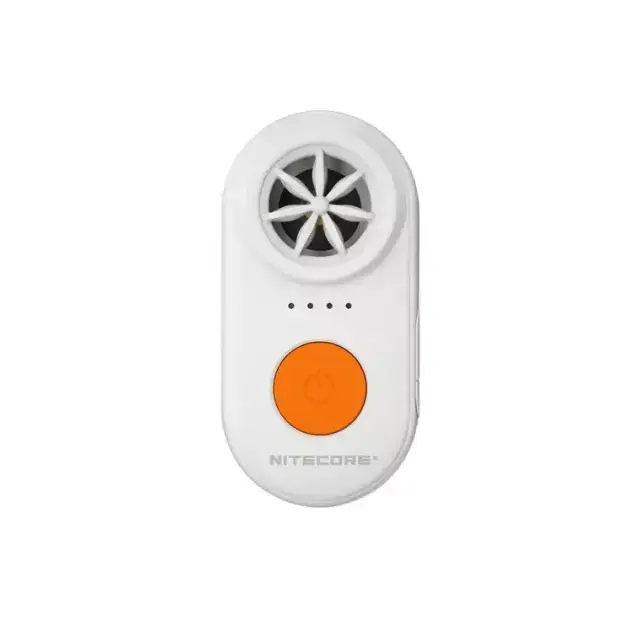
Nitecore NWE10 Electric Whistle - £17.95
All items reviewed on GB Ultra Runner are tested thoroughly out on the trails during training or races. Some products are provided by brands free of charge for testing purposes, but I only recommend the ones that truly perform in real running conditions. All opinions shared here are my own, based on genuine experience. Some links on this site may be affiliate links. If you buy through them, I may earn a small commission, but it won't cost you anything extra.
If you have a product you'd like me to test and review, drop me a message at [email protected]