
Join the GB Ultra Runner newsletter for fresh event updates, gear reviews, ultramarathon news, and special giveaways.
Soft Flasks vs Hydration Bladder
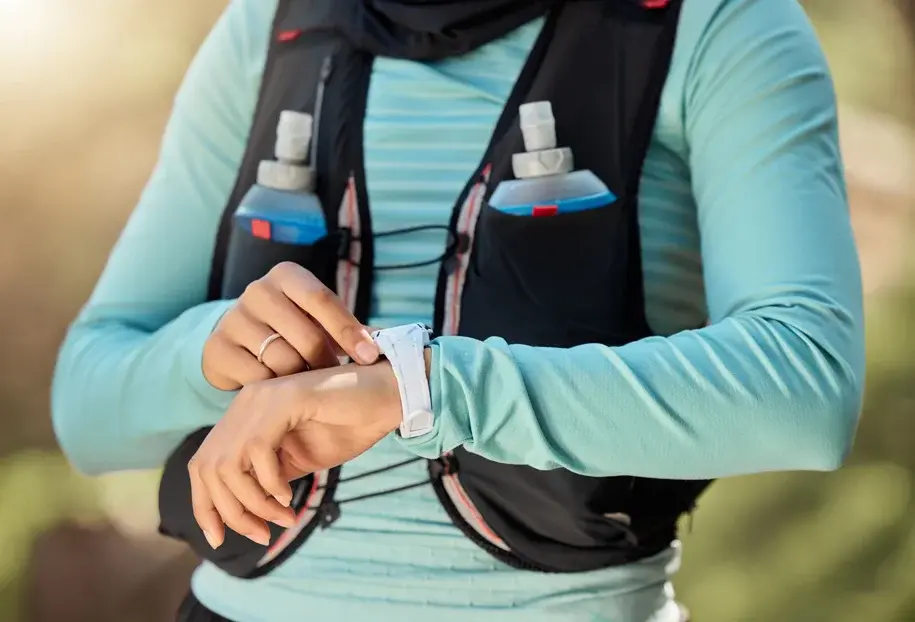
Soft Flasks or Hydration Bladders: Which is Best for Your Ultra?
When you're out on the trails for an ultramarathon, staying hydrated is non-negotiable. But the age-old question for many runners is: soft flasks or a hydration bladder (AKA CamelBak/reservoir)? Both have their loyal fans and distinct advantages, and choosing between them often comes down to personal preference, race specifics and what makes you feel most comfortable on those long miles. Let's break down the pros and cons to help you decide.
Soft Flask Water Bottles
Soft flasks have become incredibly popular in the ultra running scene, and for good reason. They offer a flexible, adaptable hydration solution that integrates well with most modern running vests.
Advantages of Soft Flasks:
- Easy Refills: During a race, speed at aid stations can be crucial. Soft flasks are typically quicker and less fiddly to refill than a bladder. You simply pull them out of your front pocket, fill and slide them back in. There's no need to take off your pack or wrestle with a hose.
- Dual Hydration Options: Running with two soft flasks allows you to carry different liquids easily. You can have one filled with electrolytes and the other with plain water, giving you immediate access to both without mixing. This is a huge benefit for managing nutrition on the go.
- Optimised Weight Distribution: When flasks are carried in the front pockets of your vest, the weight is distributed evenly across your chest, rather than concentrated on your back. As you drink, the flasks compress, reducing sloshing and keeping the load stable and close to your body. This often leads to less bounce compared to a partially filled bladder.
- Streamlined Filtering: Many soft flasks are designed to be compatible with built-in water filters, such as those from Katadyn or Sawyer. This makes it incredibly easy to refill from streams or natural water sources during longer, more remote ultras, giving you access to safe drinking water without carrying excessive weight.
Popular Soft Flasks:
Salomon Soft Flask
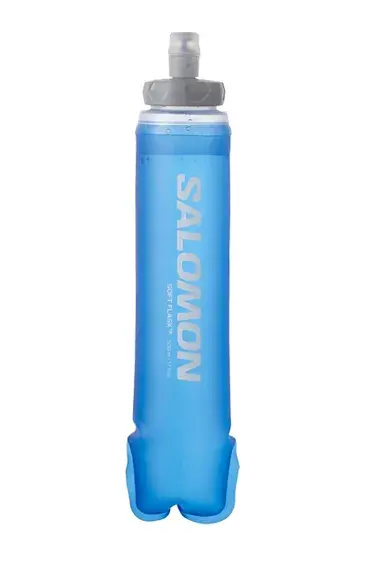
Salomon Soft Flask 500ml - £14.99
Aonijie Soft Flask
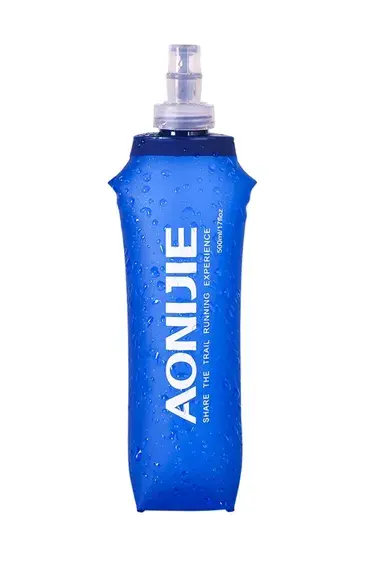
Aonijie Soft Flask 500ml - £10.99
Hydration Bladders/CamelBak
While soft flasks have gained traction, the traditional hydration bladder still holds a strong position, particularly for those needing significant volume or who prefer a minimalist front.
Advantages of Hydration Bladders:
- Maximal Capacity: Bladders typically offer larger volumes, commonly ranging from 1.5 litres to 3 litres. If you're tackling a section with long stretches between aid stations, or simply prefer to carry more fluid, a bladder provides greater capacity without taking up valuable front-pocket space.
- Free Front Pockets: By carrying your primary hydration on your back, your front pockets remain free for essential items like gels, bars, salt tablets or your phone. This can be a game-changer for quick access to nutrition without breaking stride.
- Perceived Comfort: For some runners, the flat, wide distribution of a bladder against their back feels more comfortable than flasks in the front pockets, especially over very long distances. The weight is spread across a larger surface area, which can reduce pressure points for certain body types.
Popular Hydration Bladders:
CamelBak Crux Reservoir
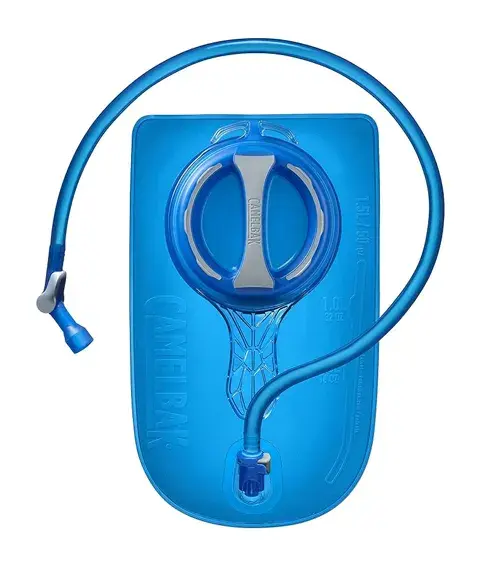
CamelBak Crux Reservoir 2L - £49.95
UTOBEST Hydration Bladder
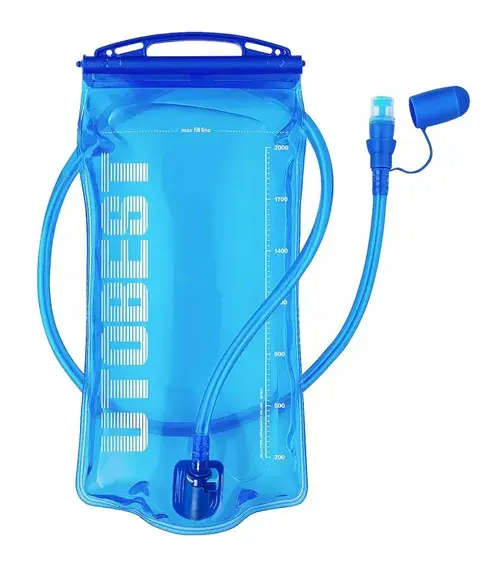
UTOBEST Hydration Bladder 2L - £15.99
Which Should I Choose?
Ultimately, the best hydration system for you depends on your individual needs and the specific demands of the ultramarathon you're tackling.
- Consider the Race: Are aid stations frequent, or are there long, exposed sections? How much water are you likely to need between stops?
- Course Profile: Is it a technical course where you need agility, or more runnable where weight distribution might be less critical?
- Personal Comfort: What feels best on your body during long training runs? Experiment with both options to see what minimises chafing, bouncing, and discomfort.
- Nutrition Strategy: Do you prefer to carry different drinks, or is plain water sufficient from your primary source?
Many ultrarunners even use a combination: a bladder for a large base volume, supplemented by a soft flask in a front pocket for electrolytes or quick access to water. Experimentation in training is key. Your hydration strategy is as vital as your training plan, so find what works best to keep you moving forward.
All items reviewed on GB Ultra Runner are tested thoroughly out on the trails during training or races. Some products are provided by brands free of charge for testing purposes, but I only recommend the ones that truly perform in real running conditions. All opinions shared here are my own, based on genuine experience. Some links on this site may be affiliate links. If you buy through them, I may earn a small commission, but it won't cost you anything extra.
If you have a product you'd like me to test and review, drop me a message at [email protected]